SEC Delays Launch of Prediction Market ETFs Amid Regulatory Review

May 12, 2026 · 1 min read
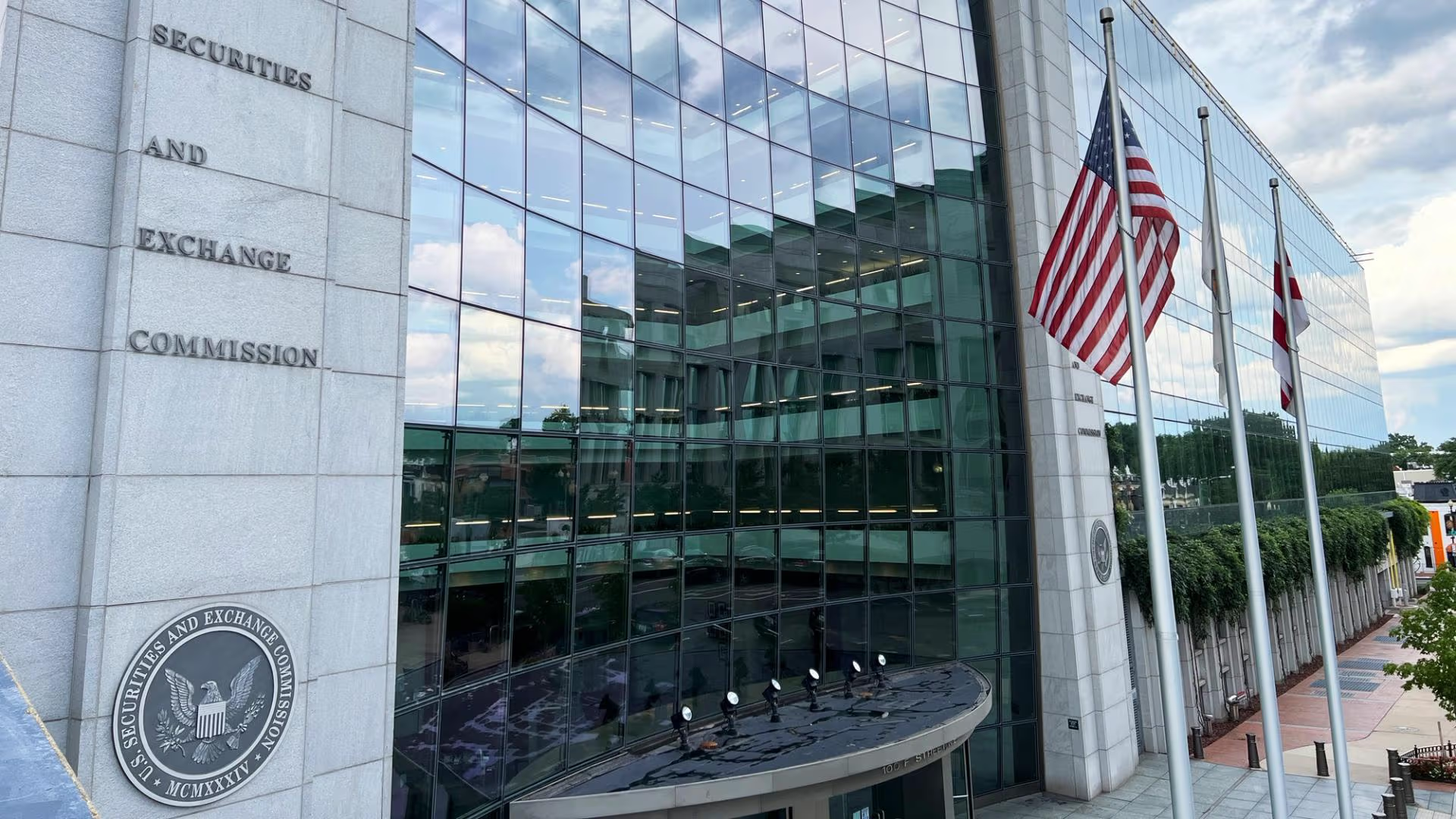
The U.S. Securities and Exchange Commission (SEC) has delayed the highly anticipated launch of several prediction market ETFs, marking another sign that regulators remain cautious about the fast-growing sector.
The ETFs, proposed by companies including Bitwise, Roundhill Investments, and GraniteShares, were expected to begin trading in May 2026. However, the SEC requested additional information related to how the products function and how risks would be disclosed to investors.

Prediction market ETFs are designed to track event-based contracts tied to real-world outcomes such as elections, recession probabilities, economic indicators, or corporate layoffs. These products aim to bring prediction market exposure into traditional brokerage accounts, allowing retail investors to access speculative event trading through standard ETF structures.
The growing popularity of platforms like Kalshi and Polymarket has accelerated interest from institutional investors and ETF issuers. Supporters argue that prediction markets can improve forecasting accuracy and provide valuable market sentiment data. Critics, however, warn about volatility, gambling-like behavior, and potential insider trading risks.
According to reports, the SEC’s delay is viewed as procedural rather than a rejection. Analysts believe regulators want to better understand how these ETFs handle binary event contracts and investor disclosures before approving public trading.
The delay comes at a time when Wall Street is increasingly exploring prediction markets as a new financial frontier. Recently, the SEC approved Nasdaq’s proposal for outcome-related options tied to major indexes, signaling that regulators may still be open to innovative financial instruments despite heightened scrutiny.
While the launch timeline remains uncertain, many analysts expect prediction market ETFs to eventually reach mainstream markets once regulatory concerns are resolved. The outcome could shape the future relationship between traditional finance and event-driven trading platforms.